




Julian Bloch
Senior Director, Multifamily & Retail Investments · Kingside Investment Group
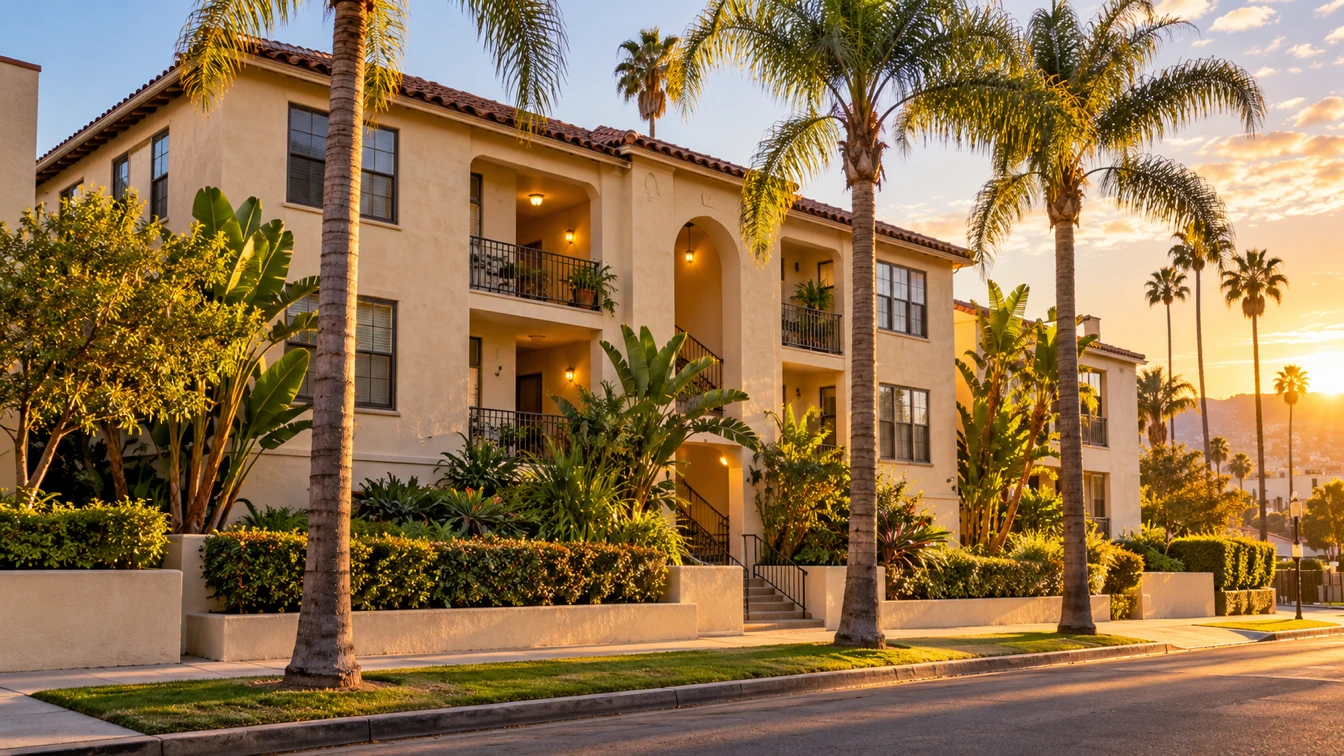
Los Angeles Multifamily Sales
How Do You Sell an Apartment Complex in Los Angeles?
Sell a Los Angeles apartment complex by pricing it on verified income and expenses, marketing a complete offering package to qualified buyers, running a controlled offer process, and managing escrow and due diligence through closing. Start with the rent roll and operating history, then make the leases, physical records and financing information available so buyers can test their assumptions. Julian Bloch represents apartment building sellers across Koreatown, Echo Park, Highland Park, Glassell Park, Eagle Rock, Silver Lake, Inglewood, Pico Union, and South LA.
Discuss your property and sale objectives with Julian Bloch.
Contact Kingside Call (415) 250-7365How should a complex be priced?
Price a Los Angeles complex on the current rent roll and trailing 12 months of operations. Reconcile scheduled rent with leases, concessions, vacancy, collections and other income. Separate recurring expenses from unusual items and review common area maintenance (CAM), utilities, payroll, repairs, insurance and management costs. If buildings share systems or expenses, explain the allocation instead of treating each building's numbers as independent.
Buyers will form their own view of future expenses, capital needs and financing. Ask the broker to show which assumptions drive the price range and to distinguish actual results from a proposed improvement. A buyer may underwrite property taxes differently from the seller's current bill: the California Board of Equalization explains change-in-ownership reappraisal (checked November 1, 2026).
For a larger property, a small discrepancy repeated across units can change the income picture. Resolve missing leases, inconsistent unit descriptions and unexplained changes before they become late-stage buyer objections. The rent roll verification guide explains how to reconcile the records. Price the property on income in place, expenses as billed, and the buyer's tax, insurance and repair assumptions.
Julian can discuss the information buyers will use to evaluate your complex.
Discuss Your PropertyWhat goes into the offering package?
Build the offering memorandum around records buyers can verify. For a Los Angeles multi-building complex with shared meters, explain how utility costs are allocated. The memorandum presents the property, unit mix, operating history, asking terms and material risks in a form buyers can evaluate. Support it with a controlled data room containing the underlying records. Organize files by building and subject, identify their dates, and keep an index of outstanding items. A summary is useful, but it should not replace leases, contracts or reports when a buyer needs to check a statement.
Include a property and site description, rent roll, operating statements, existing debt information, capital work and known compliance matters. Disclose known material conditions with counsel's help and update the package when new information changes an earlier statement. Provide sensitive tenant information through an appropriate controlled process, with access and redactions reviewed by counsel.
A complex can attract private investors, investment partnerships and institutional buyers with different approval and financing processes. Agree on a marketing plan, confidentiality process and call for offers. Give qualified buyers a consistent information package and a clear way to ask questions. Track answers and distribute material corrections consistently. Give each qualified buyer the same underlying records and corrections.
Talk with Julian about preparing and presenting the complex.
Call Julian: (415) 250-7365How do you choose among offers?
Compare offers on execution as well as price. A buyer of a Los Angeles complex with shared systems needs enough information to assess their costs. Review the deposit, when it is due and when it becomes nonrefundable under the proposed agreement, proof of funds, financing contingency, investigation period, closing date and requested credits. Identify approval requirements within the buyer's organization and any condition tied to another transaction. Ask whether the buyer has reviewed the actual property with its lender, rather than relying only on a general financing letter.
Existing debt can change the comparison. Obtain the loan documents and ask the lender about payoff, prepayment costs, consent and whether an assumption is available. An offer that assumes the loan depends on the actual loan terms and lender approval; it is not equivalent to a confirmed assumption. Model proceeds and closing conditions for each proposal with escrow and counsel.
Use a written comparison to identify open questions, then negotiate the combination of price and terms that fits your priorities. A higher price with a long financing contingency may carry different execution risk from a lower offer with verified funds. A deposit is not earned before the agreement makes it so; compare its due date and nonrefundable date alongside financing and closing terms.
Review the offers and their financing conditions with Kingside.
Review Your OptionsWhat happens during escrow and due diligence?
Keep diligence on a written schedule from the day escrow opens. Once the purchase agreement is signed, maintain a shared schedule of document delivery, inspections, contingency decisions and closing tasks. Larger complexes may require phased visits across buildings and units. Coordinate access with management and counsel, keep a record of requests and responses, and avoid promising access that the agreement or applicable notice rules do not support.
Buyers may review roofs, plumbing, electrical systems, environmental conditions, permits and open city orders. Gather prior environmental reports and identify what they cover and what remains unresolved. For soft-story questions, obtain the actual city order, plans, permits and completion records for each affected building. The LADBS program describes its coverage and compliance stages (checked November 1, 2026). An approved plan is not the same as a final signoff. The soft-story sale guide covers that decision in more detail.
Also locate balcony inspection reports where applicable. As checked November 1, 2026, California Health and Safety Code section 17973 requires qualifying exterior elevated elements at multifamily buildings with three or more units to be inspected, with an initial deadline of January 1, 2026 and subsequent inspections every six years. Identify any outstanding report or repair.
Discuss the property records and open items before marketing.
Explore Buyer DiligenceFor a City of Los Angeles residential sale, LADBS requires the seller to apply for the Report of Residential Property Records and Pending Special Assessment Liens and deliver it before the sale agreement or close of escrow (checked November 1, 2026). Keep a running list of title issues, lender approvals, prorations and closing deliverables. Apply for and deliver the LADBS report before the sale agreement or close of escrow.
How are leases, notices and estoppels handled?
Reconcile every unit before presenting the rent roll to buyers. Match each lease, amendment, rent, deposit, concession and occupancy record to the roll. Record missing documents and unresolved differences rather than filling gaps with assumptions. Check each building's location and status: according to the Los Angeles Housing Department, the City RSO generally applies to rental properties first built on or before October 1, 1978, plus certain replacement units. Check the Housing tab in ZIMAS and confirm unusual cases with LAHD (checked November 1, 2026).
A sale alone does not end an RSO tenancy. LAHD's relocation guidance describes the requirements for qualifying no-fault terminations (checked November 1, 2026). Do not assume all units can be delivered vacant or that a buyer can reset rents simply because ownership changes.
Talk with Julian about preparing lease information for a sale.
Contact KingsideA purchase agreement or lender may request tenant estoppel certificates to confirm lease terms and balances. Check the agreement for who prepares and requests them, what form is acceptable and how missing or inconsistent responses affect closing. An estoppel is a transaction requirement when agreed, not a universal legal requirement for every sale. Coordinate notices and access through management.
At closing, reconcile security deposits and prepaid or unpaid rent by unit. California Civil Code section 1950.5 addresses transfer or return of remaining deposits and related notices; the successor's owner and manager information notice is addressed in section 1962 (checked November 1, 2026). Reconcile deposits and prepaid or unpaid rent unit by unit before closing.
Bring the rent roll and known discrepancies to your sale discussion.
Call Julian: (415) 250-7365What should an owner plan for before accepting an offer?
Estimate proceeds before accepting an offer. For a City of Los Angeles sale, request a net sheet at prices on each side of the $5,400,000 and $10,900,000 thresholds in the City's Measure ULA schedule (checked November 1, 2026). The tax applies to the full gross value when a threshold is crossed, and base transfer taxes are separate.
If considering a Section 1031 exchange, involve a qualified intermediary before closing. The IRS Form 8824 instructions, checked November 1, 2026, describe identifying replacement property within 45 days and receiving it by the 180th day or the earlier applicable return due date. Cash or other non-like-kind property received can be taxable. A 1031 exchange is not among the City's listed ULA exemptions.
California withholding affects cash at closing. The 2026 Form 593 instructions, checked November 1, 2026, explain the withholding calculation and exemptions; the Form 593 guide covers the closing process. Give the form to escrow by closing. Use an attorney for tenancy and notices, a CPA for exchange and withholding questions, escrow for the net sheet, and a licensed insurance broker for coverage placement.
Julian can coordinate the sale discussion with your tax and legal advisers.
Start a ConversationWhat does the sequence of a complex sale look like?
Start with financial reconciliation, property review and pricing. Next come preparation of the offering package, marketing, buyer questions and an offer deadline. After selecting an offer, the parties negotiate the agreement, open escrow, complete inspections and financing, resolve contingencies and prepare closing statements. The actual schedule depends on the records, buyer, lender, property conditions and contract.
Multiple buildings, shared systems, incomplete leases, loan assumption approvals or environmental questions can require additional coordination. Build a schedule backward from any owner deadline, with responsibility assigned for each item, and revisit it as the transaction develops. Track the contract's contingency periods and the LADBS report requirement before the sale agreement or close of escrow. For an exchange, the IRS clock is 45 days to identify replacement property and 180 days to receive it, subject to the earlier applicable return due date.
Contact Julian Bloch to review the property and next steps.
Contact Kingside (415) 250-7365Frequently Asked Questions
Start with the loan documents, the rent roll and each building's RSO status; those records shape the answers below.
Can I sell a complex with an existing loan?
Yes. Review payoff and prepayment terms with the lender and escrow. An assumption depends on the loan documents and lender approval.
Do I need every lease before marketing?
Identify missing leases and make a plan to resolve them. Tell buyers about gaps rather than presenting an unverified rent roll as complete.
Does a sale end a rent-stabilized tenancy?
No. A sale alone does not end an RSO tenancy. Check the property's RSO status in the Housing tab in ZIMAS, then confirm individual units with LAHD; a Yes means at least one unit at the property is subject to the RSO. Source.
Are tenant estoppels required by law for every sale?
No universal requirement was identified in the sources reviewed. The purchase agreement or lender may require them, so check the transaction documents.
Does a 1031 exchange eliminate Measure ULA?
A 1031 exchange is not among the City's listed ULA exemptions. Include ULA in the net sheet when evaluating proceeds.
About Julian Bloch
Senior Director, Multifamily & Retail Investments | DRE #02043055
Julian works with Los Angeles multifamily owners and investors. Call (415) 250-7365 or contact Kingside.
This guide is general information, not legal, tax, lending or engineering advice. Consult qualified advisers about the property and transaction.
Sources
- California Board of Equalization, change in ownership.
- LADBS, soft-story retrofit program; requirements when selling.
- Health and Safety Code section 17973.
- LAHD RSO overview; LAHD RSO property search; relocation assistance.
- Civil Code section 1950.5; section 1962.
- City of Los Angeles, Measure ULA FAQ; IRS Form 8824 instructions; FTB 2026 Form 593 instructions. All sources checked November 1, 2026.
